Wisdom teeth are the final set of molars to develop, and they commonly appear during the late teenage years or early adulthood. While some people have enough room for their wisdom teeth to grow normally, others may experience crowding, discomfort, inflammation, or difficulty cleaning around them. For patients searching for Wisdom Tooth Extraction Burnaby BC, understanding when removal may be recommended and what the process involves can make the experience feel much less uncertain. A proper dental assessment is the first step because not every wisdom tooth automatically needs to be removed.
Why Wisdom Teeth Can Become a Problem
Wisdom teeth are located at the very back of the mouth, which can make them difficult to clean effectively. If a tooth does not have enough room to emerge properly, it may become partially trapped beneath the gum or grow at an unusual angle. This is known as impaction. An impacted wisdom tooth can sometimes contribute to pain, swelling, infection, gum irritation, or problems affecting neighbouring teeth. However, symptoms and treatment needs vary from patient to patient. A dental examination and appropriate imaging can help determine what is happening beneath the gumline.
Not Every Wisdom Tooth Needs Extraction
One common misconception is that everyone must have their wisdom teeth removed. In reality, extraction is generally considered when a wisdom tooth is causing problems or is considered likely to create significant problems based on its position and condition. Some wisdom teeth can remain healthy and functional when there is enough room for them to develop properly and they can be kept clean. A dentist can monitor these teeth during regular examinations. For anyone considering Wisdom Tooth Extraction Burnaby BC, a professional assessment is therefore more useful than assuming removal is automatically necessary.
Common Signs That a Wisdom Tooth May Need Attention
Wisdom tooth problems can present in different ways. Some patients experience pain or pressure at the back of the jaw, while others notice swollen or tender gums around the tooth. Difficulty opening the mouth, unpleasant taste, persistent bad breath, or discomfort when chewing can also occur when there is inflammation or infection. In some cases, a wisdom tooth problem may be discovered during an examination before the patient experiences noticeable symptoms. Persistent or worsening symptoms should be discussed with a dentist rather than ignored.
Dental Imaging Helps With Treatment Planning
Because wisdom teeth are positioned at the back of the mouth, a dentist often needs more than a simple visual examination to understand their position. Dental X-rays can show the angle of the tooth, its relationship to neighbouring teeth, and the surrounding bone and anatomical structures. This information can help the dentist determine whether extraction is appropriate and how complex the procedure may be. Imaging is therefore an important part of planning Wisdom Tooth Extraction Burnaby BC, particularly when a tooth is impacted or positioned close to important structures.
What Happens During a Wisdom Tooth Consultation
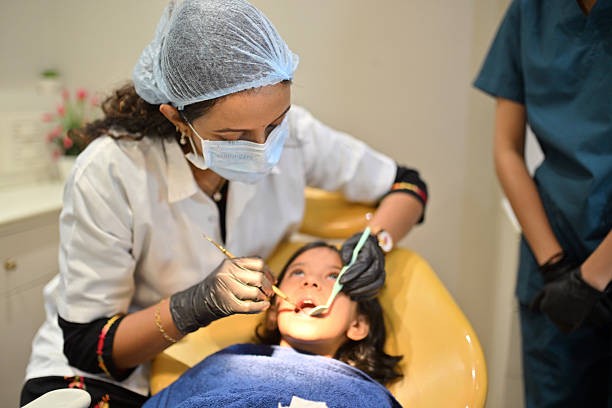
Before extraction, the dentist will normally assess the patient’s oral health and discuss the wisdom tooth problem. This may include reviewing symptoms, examining the mouth, taking appropriate imaging, and discussing treatment options. Patients should provide accurate information about medications, allergies, existing health conditions, and previous reactions to dental procedures or anesthesia. The dentist can then explain whether extraction is recommended and what type of anesthesia or sedation may be appropriate for the individual case.
Preparing for the Extraction
Good preparation can make the appointment easier. Patients should follow all instructions provided by their dental team regarding food, medication, transportation, and sedation. If sedation is planned, specific instructions may apply, including arranging for someone to accompany the patient afterward. Patients should also tell the dental team about all medications and supplements they use. Following the instructions carefully helps reduce unnecessary complications and ensures that the dental team has the information needed to provide appropriate care.
Recovery Requires Some Patience
After wisdom tooth extraction, some soreness, swelling, and sensitivity can be expected. The amount of discomfort and recovery time varies depending on the individual and the complexity of the extraction. Patients are generally given specific aftercare instructions designed to protect the extraction site while it heals. These may involve recommendations regarding food, oral hygiene, physical activity, and medication. Following the dentist’s instructions is important because the extraction site needs time to heal properly.
Eating After Wisdom Tooth Removal
Food choices can make the recovery period more comfortable. Immediately following an extraction, patients may be advised to choose softer foods that require less chewing and avoid anything that could irritate the extraction site. Very hot foods or drinks may also be unsuitable immediately after treatment depending on the circumstances. As healing progresses, patients can gradually return to their normal diet according to their dentist’s instructions. The most important point is to avoid disturbing the healing area.
 Oral Hygiene Still Matters After Extraction
Patients may worry that brushing and cleaning their teeth will interfere with healing. However, maintaining oral hygiene remains important after wisdom tooth removal. The dental team will provide instructions about how to clean the mouth while protecting the extraction area. Patients should follow those instructions rather than aggressively brushing directly over the healing site. Good hygiene can help reduce the buildup of bacteria while the mouth recovers.
Conclusion
Wisdom tooth extraction is a common dental procedure, but every patient’s situation is different. Some wisdom teeth can remain healthy without removal, while others may cause pain, infection, crowding, or damage to surrounding structures. Proper examination and imaging allow dentists to determine whether extraction is appropriate and how the procedure should be planned. For patients researching Wisdom Tooth Extraction Burnaby BC, the best starting point is a professional consultation rather than waiting for severe symptoms to develop. With appropriate planning, clear instructions, and proper aftercare, patients can approach wisdom tooth treatment with greater confidence and a better understanding of what to expect.